
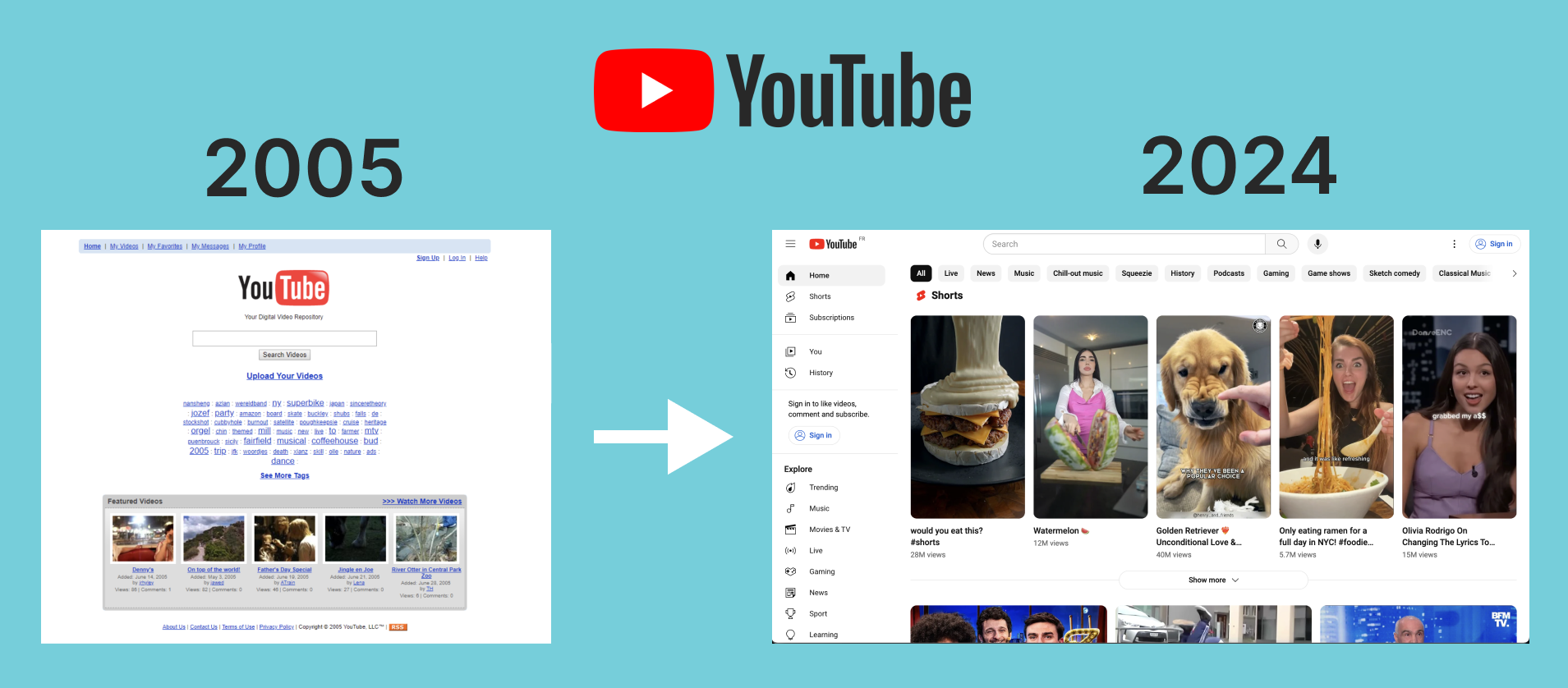
YouTube: From Humble Beginnings to a Global Giant
YouTube, the video-sharing platform that is now an essential part of daily life for millions, has come a long way since its creation in 2005. From its initial idea as a video-based dating site to becoming the king of online video, YouTube has transformed the way we consume and create content. But how did it all start, and how did it become the giant we know today?
The Birth of YouTube
YouTube was founded by three former PayPal employees—Chad Hurley, Steve Chen, and Jawed Karim. They wanted to make it easier for people to share videos with each other online. The idea was born at a dinner party when they were sharing videos and photos. Realizing there was no easy way to share videos online, they decided to create YouTube.
The first video ever uploaded to YouTube, called Me at the Zoo, featured Jawed Karim at the San Diego Zoo. This simple, 18-second video was the beginning of something much bigger. Despite its humble start, YouTube quickly grew, attracting millions of viewers and users.
The Shift from Dating to Video Sharing
Interestingly, YouTube was originally intended to be a dating site called Tune In, Hook Up, where people could upload videos of themselves to find a match. However, this idea didn’t catch on, and the founders soon realized that there was a much greater opportunity. They saw how the world lacked a platform for sharing all kinds of videos—from funny clips to important news moments. This realization led to YouTube’s pivot as a free, easy-to-use video-sharing platform.
In 2005, the platform was launched, and just a few months later, it had attracted millions of views. With videos like a Nike ad featuring soccer star Ronaldinho, YouTube showed that it had the potential to become a new form of media. The site’s simplicity and ability to make video sharing accessible to everyone were key to its early success.
YouTube’s Rise to Fame
By 2006, YouTube was growing fast. It partnered with NBC to host content from major media outlets, and Google saw the platform’s potential. In a move that would change the digital world forever, Google purchased YouTube for $1.65 billion. This allowed YouTube to scale and reach an even larger audience.
As YouTube’s popularity grew, it began offering new opportunities for creators. In 2007, it introduced the YouTube Partner Program, allowing users to earn money from ads on their videos. This program made it possible for ordinary people to turn their passion for making videos into full-time careers.
The Impact of YouTube on Content Creation
Today, YouTube is home to a vast array of content. From educational videos to entertainment, the platform has something for everyone. It’s also become a place where creators can earn money and gain fame. Many YouTubers have built successful careers, earning income through ads, sponsorships, and even merchandise sales.
One of YouTube’s biggest innovations was the introduction of live streaming in 2011. This allowed creators to interact with their audiences in real time. Over the years, YouTube has continued to adapt to the changing digital world. Features like YouTube Premium, YouTube Kids, and YouTube Shorts (a response to the rise of short-form videos like those on TikTok) have kept YouTube relevant.
The Challenges and Future of YouTube
Despite its massive success, YouTube has faced challenges. Issues like copyright infringement, stricter ad policies, and even tragedies like the 2018 shooting at its headquarters have tested the platform. However, YouTube has continued to grow and evolve.
Looking ahead, YouTube will likely continue to dominate the online video landscape. With over 2 billion active users and billions of daily views, its influence is undeniable. As technology evolves, YouTube will probably embrace new features like AI-powered recommendations, customizable search options, and more interactive ways for users to engage with content.
Conclusion
YouTube’s journey from a small startup to the world’s leading video platform is nothing short of inspiring. It shows us how a simple idea, backed by creativity and persistence, can change the world. Whether you’re watching a cooking tutorial, a music video, or a live stream, YouTube is a reminder that anyone with a camera and an idea can share their voice with the world. As YouTube continues to evolve, there’s no telling where its journey will take us next. One thing is clear: YouTube is here to stay, and it will only continue to shape the future of digital content.
Simple Definitions :
- Founder – A person who creates or starts something, like a company or an idea.
- Pivot – To change direction or focus, especially when a previous plan doesn’t work out.
- Platform – A service or space where people can share or exchange information, such as a website or app.
- Monetization – The process of earning money from something, like a website or product.
- Sponsorship – When a company pays a creator or person to promote their product or service.
- Acquisition – The act of one company buying another company.
- Innovation – The introduction of something new or a new idea that improves something.
Discussion questions:
- How do you think YouTube changed the way we watch videos today?
- Would YouTube have been successful if it had stayed a dating platform?
- Do you remember the first video you ever watched on YouTube?
- How do you think YouTube’s partnership with Google helped its growth?
- Why do you think people prefer watching YouTube over traditional TV?
- How do you feel about YouTube’s new feature, YouTube Shorts? Have you tried it?
- Do you think YouTube’s monetization system has made video creation a career option for many?
- What do you think about YouTube’s role in shaping internet culture?
- Have you ever tried live streaming on YouTube? How was your experience?
- How do you feel about YouTube’s efforts to make the platform safer and more family-friendly?
- Do you think YouTube will continue to grow and dominate online media in the future?
- Do you agree with YouTube’s decision to introduce ads and offer a Premium service for ad-free viewing?
- How do you think YouTube’s impact on entertainment compares to that of traditional media like TV?
- Do you think YouTube creators should have more control over the content that gets monetized?
- What kind of content do you enjoy watching on YouTube the most, and why?





-
-
1 month
Tagged Business, Technology