
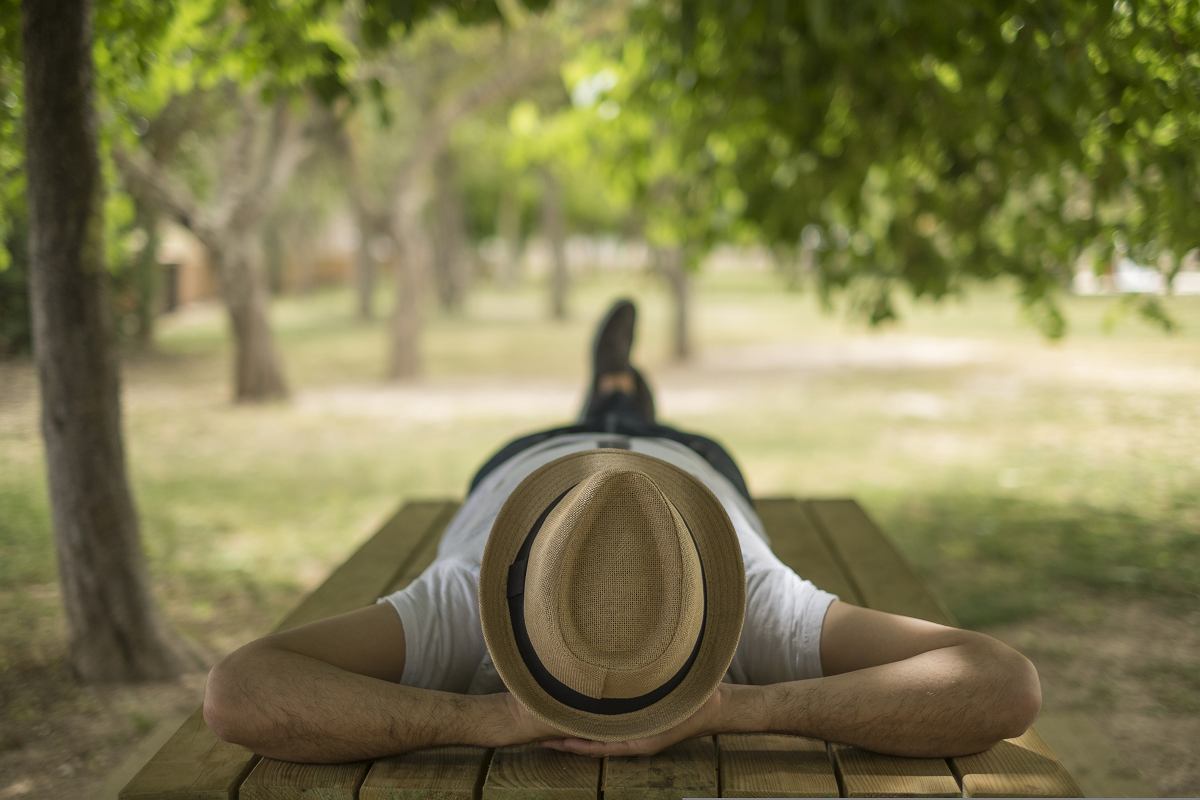
The Siesta: A Timeless Tradition Worth Considering
Have you ever felt tired after lunch and wished you could just take a nap? In Spain, this is not just a feeling—it’s a tradition called the siesta. The siesta is a short nap taken after lunch, offering a break in the middle of the day. Though it’s most famous in Spain, the siesta is part of many cultures, especially in countries where the heat can make working in the afternoon difficult.
The Origins of the Siesta
The word siesta comes from the Latin word “sexta,” meaning the sixth hour after sunrise, around midday. Historically, the siesta was a practical solution for workers in hot climates. During the hottest part of the day, people would go home, eat, rest, and return to work later in the cooler afternoon. This tradition allowed them to avoid working in the intense midday heat. Countries like Italy, Greece, and even regions in the Middle East and South America have similar customs.
In Spain, the siesta became even more important in the 20th century when many people had to work two jobs to make a living. After working in the morning, they would take a break, nap, and go to their second job in the evening. This routine helped people manage long work hours while still finding time to rest.
The Health Benefits of Napping
While the siesta may seem like a luxury, science supports its benefits. A short nap can do wonders for both the mind and body. Studies show that naps can help reduce stress, improve memory, and boost mood. The best length for a nap is around 20-30 minutes. Any longer, and you might feel groggy when you wake up. Some people even combine caffeine with naps—drinking coffee right before a short nap—so they wake up feeling extra alert as the caffeine kicks in.
Napping is not just a tradition in Spain. In Japan, for example, the practice of inemuri allows workers to nap at their desks or in meetings. This shows that rest is seen as essential, even in the workplace. In India, bhaat ghum refers to a deep nap after eating a meal, which is also tied to the idea of rest and relaxation.
The Changing Face of the Siesta
Though the siesta is part of Spain’s cultural identity, it is becoming less common. In the modern world, many people work 9-to-5 jobs, and there’s often no time for a long lunch break or nap. In big cities like Madrid and Barcelona, it’s not unusual to see people eating a quick sandwich at their desks. A survey found that only about 17% of Spaniards still take a siesta regularly.
Despite this, many small shops and businesses still close for a few hours in the afternoon, especially in smaller towns. This can be surprising for tourists who aren’t used to everything shutting down in the middle of the day. However, it’s a reminder of the slower, more relaxed pace of life that is valued in Spain.
A Lesson in Slowing Down
In many parts of the world, including the U.S., people live by the phrase “time is money.” There’s always something to do, and taking a break can sometimes feel like being lazy. But the siesta teaches a different lesson. It’s a reminder that taking time to rest can make us more productive, not less. Sometimes, stepping back and allowing ourselves to slow down is exactly what we need to recharge and refocus.
Next time you feel exhausted after lunch, maybe try a mini-siesta—find a quiet place, close your eyes for 20 minutes, and let yourself rest. You might find that you feel more refreshed and ready to take on the rest of your day. Whether or not you adopt the full siesta tradition, the idea of taking a moment to pause, relax, and enjoy life is something we can all learn from.
In a fast-paced world, the siesta is a small but powerful way to reconnect with our natural rhythm and find balance. So, perhaps it’s time to consider this timeless tradition for yourself. After all, a little nap never hurt anyone.



Comments