
The Evolution of Homes: From Dumb to Smart
Remember the days when “smart homes” were just something out of a sci-fi movie? Fast forward to today, and it seems like everyone is hopping on the smart home bandwagon. But before you start thinking that a home full of technology is a no-brainer, let’s rewind a bit. Homes didn’t start off smart, and surprisingly, they worked just fine. So, what’s changed? Are we better off with all this tech, or are we trading peace of mind for convenience?
The Good Old Days: Dumb Homes
Let’s take a trip back to the era of “dumb homes”—or as some might say, the golden age of simplicity. In these homes, you had control, but everything required manual work. You wanted heat? You’d turn the dial on your heater. Light? You’d flick a switch. It was basic, but it got the job done. The charm of dumb homes lies in their simplicity and reliability. These homes were sturdy, and their devices didn’t need Wi-Fi or apps. If something broke, you could fix it with a hammer or a screwdriver, not by resetting your router or updating firmware.
Want to watch TV? You hit the power button. No buffering, no voice command gone wrong—just instant entertainment. Dumb homes didn’t need flashy gadgets to feel comfortable, but yes, they were missing the ease of automation that we’ve come to expect now.
Enter the Smart Home
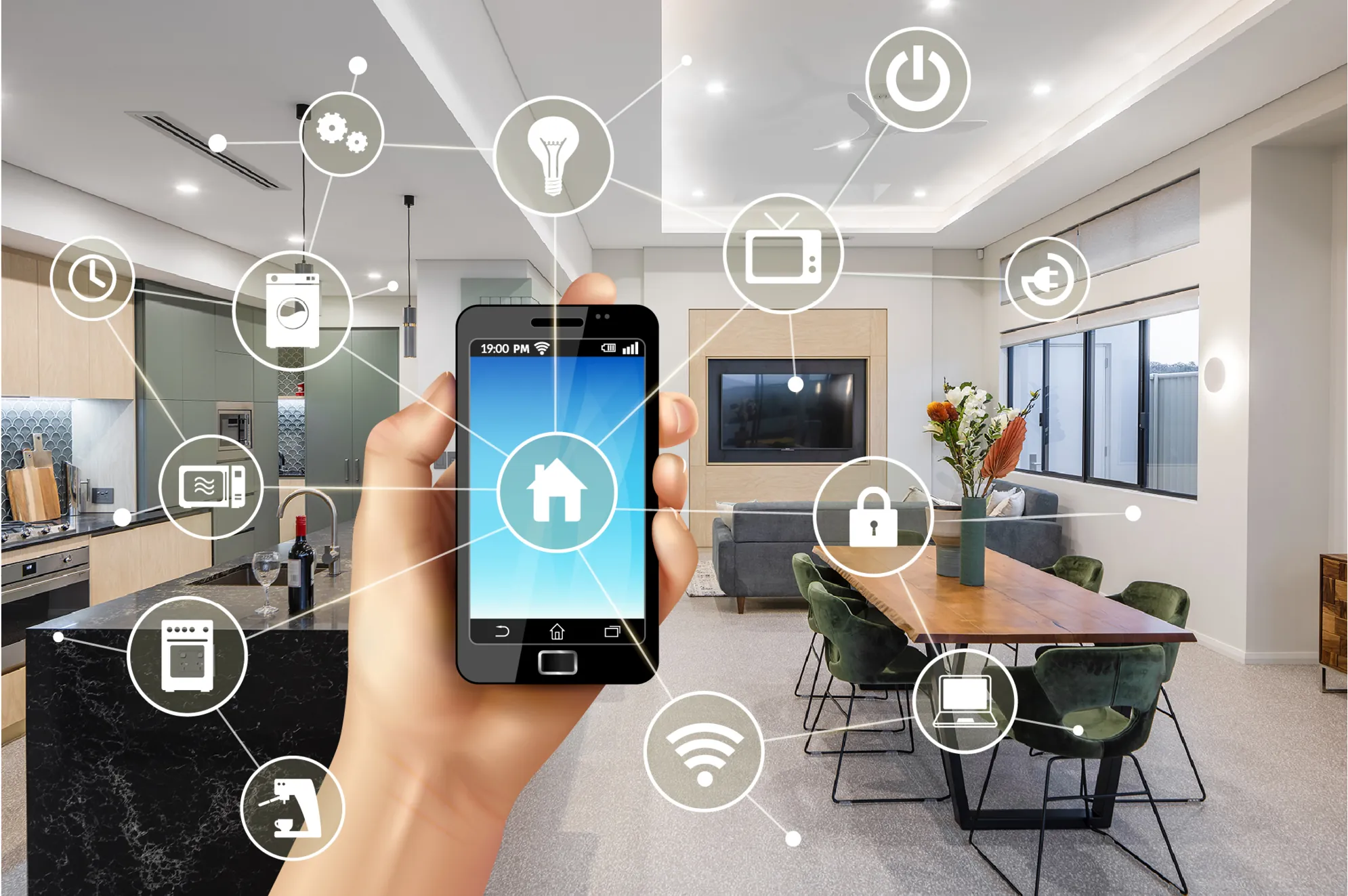
Cue the entrance of smart homes—where you can turn on your lights, adjust the temperature, or even brew coffee with just a voice command. On paper, smart homes are an absolute dream. Imagine coming home from work on a freezing day. Instead of shivering for 20 minutes while the heater warms up, you tell your smart thermostat to get the house toasty before you even step inside. Convenience, right?
But hold on—smart homes come with a price. Not just a financial one (although smart devices don’t come cheap), but also a psychological one. With all this interconnected technology, you now have to worry about more things going wrong. Internet down? You’ve got no lights. Smart doorbell acting up? It might be spying on you or sending false alerts while you’re trying to sleep. It’s a new kind of stress that dumb homes never gave us.
The Battle of Old vs. New
So, let’s compare a bit. Dumb homes were manual, yes, but they were reliable. You could depend on them to work without a hitch. In a smart home, you’ve gained convenience, but you’ve also handed over some control. Your heating system is now dependent on algorithms, and your lights won’t work without the internet. If the Wi-Fi crashes, so does your convenience. Imagine trying to impress guests by dimming the lights and queuing up music, only to find your app won’t load because your router needs a reboot. It’s the ultimate smart home failure!
Let’s not forget the spooky moments. Some smart security cameras seem to have a mind of their own, sending alerts about “someone in the living room” when no one is there. False alarms? Sure. But try shaking off that eerie feeling in the middle of the night when your phone claims to see a person inside your house while you’re sitting there, very much alone. Dumb homes never played tricks like that on us.
Is Smarter Always Better?
It’s easy to see why people love smart homes. They give us control, convenience, and customization. From adjusting the temperature to playing your favorite playlist, it’s like living in the future we were promised. However, smart homes also raise important questions. Are we becoming too dependent on technology? Do we really need refrigerators that tell us when we’re running low on milk? It’s cool, but is it necessary?
Even if you love the idea of a smart home, you’re still at the mercy of tech companies, updates, and sometimes faulty systems. One glitch, and your smart home can feel more like a frustrating puzzle than a place of comfort.
The Future: A Mix of Both?
While smart homes continue to evolve, not everyone is sold on the idea that everything needs to be connected. Maybe the future lies in balance—a home that’s smart where it counts, but still keeps the simplicity of a dumb home where we need it. After all, some things are better left untouched by tech, like a creaky old wooden floor or the warm glow of a simple lamp you turn on yourself.
In the end, whether you’re living in a dumb or smart home, one thing’s clear: comfort is key. The tech may change, but our need for a home that feels safe, cozy, and welcoming remains the same. So, is the smart home the ultimate upgrade? Or are we losing something important in the process? You decide.




-
-
1 month
Tagged Business, fashion, lifestyle