
South Korea’s Popular Culture
Level: B1
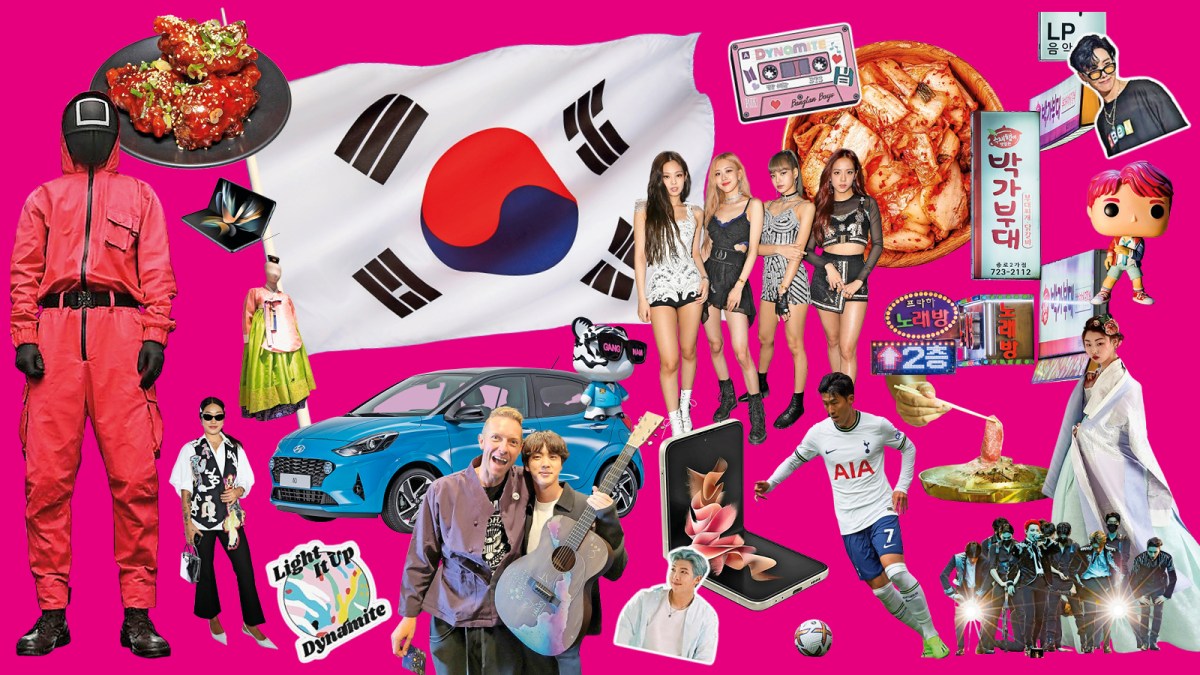
When we talk about South Korea today, most people do not think first about history, mountains, or ancient temples, they think about K-Pop music and K-Dramas (Korean TV shows). In the last few years, South Korean popular culture has become one of the most exciting global trends in music, movies, and television. Many young people around the world know Korean words, names of songs, or characters from dramas, even if they have never visited Korea.
But how did this happen? Why does a small country of about 51 million people have such a big influence in entertainment? And how does its culture affect the world today?
The Rise of K-Pop: From Seoul to the World
K-Pop is short for Korean pop music. It started to grow in popularity in the 1990s and became a global trend in the 2010s. Groups like BTS and Blackpink are two of the biggest names in the world today. Their songs are played on radio, streamed millions of times online, and their concerts fill huge stadiums in many countries.
K-Pop is different from other music because it blends strong melodies, energetic dance moves, fashion, and storytelling into one performance. Fans, often called ARMY for BTS or BLINKS for Blackpink, are very active online. They help make songs popular in many countries by streaming music, sharing videos, and even organizing global campaigns. This is one reason why K-Pop now contributes a large part of South Korea’s entertainment export industry.
In early 2026, BTS announced one of their largest world tours, with shows across five continents. Economists predict this tour could boost local economies wherever it plays, because fans travel, stay in hotels, and spend money on food and merchandise.
Why K-Dramas Are So Popular
Along with music, K-Dramas (Korean TV dramas) have become famous worldwide. Shows like Squid Game and Crash Landing on You reached viewers in many countries through streaming services like Netflix. A famous series, Descendants of the Sun, was sold and translated into more than 30 languages.
What makes K-Dramas so special? Many shows combine beautiful storytelling with emotions that connect with people everywhere, love, family, ambition, or even fantasy and mystery. While each show has its own style, they often focus on characters and feelings in ways that feel real and personal.
K-Dramas also introduce fashion, food, and daily life in South Korea. For example, after the drama My Love from the Star was shown in China, sales of Korean instant noodles and fried chicken rose sharply because people wanted to try the things the characters ate in the show.
Fans also visit places where dramas were filmed, which has boosted tourism in Korea. Some locations become popular destinations for visitors who want to see the real world behind their favourite scenes.
The Power of the “Korean Wave”
This global popularity of music, TV shows, and cultural trends is called “Hallyu” the Korean Wave. It describes the spread of Korean culture around the world through entertainment like songs, films, fashion, and beauty products.
The Korean Wave is strong because:
- Music and shows are easy to access online with subtitles.
- Fans share music and stories through social media.
- Korean food, beauty products, and fashion become more famous as people learn about them from entertainment.
This cultural influence has helped South Korea’s global image. In surveys, people around the world say that K-Dramas and K-Pop are the main reasons they think positively about Korea.
Challenges and New Trends
Even though Korean pop culture is very popular, it is not perfect. Some entertainment companies have struggled with changes in sales or production, and the local film industry faces challenges balancing new ideas with traditional storytelling.
Still, the ability of Korean stories, whether in music, TV, or film, to connect with people across cultures shows how powerful entertainment can be. It has become a source of pride for many Koreans and a bridge between different parts of the world.
Definitions
Export — goods or services sold to another country.
Streaming — watching or listening to videos/music directly online.
Tourism — travel for pleasure or visiting places outside your home.
Audience — people who watch, listen, or enjoy entertainment.
Trend — something popular or increasing in interest right now.
Seven Conversation Starters
What Korean song or K-Drama have you heard of and what did you like or dislike about it?
Why do you think music and TV shows from other countries can become popular worldwide?
Should countries support cultural exports like music and films? Why or why not?
Has Korean culture influenced your life, for example, food, fashion, or language?
How do you think social media helps K-Pop and K-Dramas become famous worldwide?
What makes a TV show or song meaningful to people from many countries?
Do you think K-Pop will stay popular in the future or change into something new?



-
-
1 month
Tagged europe, society, youth