
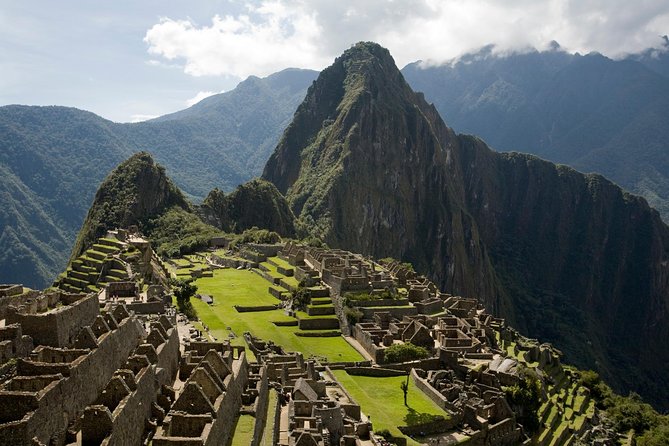
Peru: Mountains, History, and Everyday Life
Level: A2
Peru is a very interesting country in South America. It has tall mountains, tropical forests, long deserts, and old history. Many people visit Peru every year to see the Machu Picchu ruins, eat delicious food, and explore markets with colourful clothes and fresh fruit.
Where It Is and What It Looks Like
Peru is on the west side of South America. It touches the Pacific Ocean to the west.
Peru has three main regions:
- The Coast – dry land with beaches and big cities like Lima (the capital).
- The Andes – tall mountains with snow and cold weather.
- The Amazon Rainforest – a big, green jungle with many plants and animals.
Because Peru has mountains and jungles, the weather can change quickly from cold to warm. People dress in layers to stay comfortable.
People and Language
Most people in Peru speak Spanish. Some people also speak Quechua and Aymara, especially in the mountains. Many families teach their children both Spanish and their traditional language.
Peru has many cultures and traditions. People celebrate colourful festivals with music, dance, and food. Families are often close, and people spend a lot of time together.
Peruvian Food
Peru is famous for its food. Peruvian dishes are tasty and use many fresh ingredients from the mountains, coast, and jungle.
Some popular foods include:
- Ceviche – raw fish cooked in lemon juice.
- Lomo saltado – beef with rice and fries.
- Papa a la huancaína – boiled potatoes with cheese sauce.
- Causa – mashed potato layered with chicken or avocado.
Peru also grows many kinds of potatoes (over 3,000 types!), corn, and quinoa, a nutty grain that is good for healthy meals.
Ancient History: The Inca Empire
Long before Spain came to South America, the Inca Empire was one of the greatest civilisations in the world. The Incas built cities, roads, and farms high in the mountains.
The most famous Inca city is Machu Picchu. It sits on a mountain at more than 2,400 metres above sea level. People think it was a special place for Inca leaders. Today, thousands of visitors go there every year to see the ruins and learn about Inca life.
Everyday Life in Peru
Many people in Peru work in cities, farms, or markets. Markets are busy places where people sell fruit, clothes, and crafts. In cities like Lima or Cusco, people wake up early, go to work or school, and buy lunch at small food stalls.
Music is part of daily life. In the mountains, traditional instruments like the charango (a small guitar) and panpipes make lively sounds during festivals and celebrations.
Nature and Animals
Peru has many animals that live in different regions:
- In the jungle: monkeys, colorful birds, butterflies
- In the mountains: vicuñas, llamas, alpacas
- On the coast: sea lions, pelicans
The Amazon Rainforest in Peru is one of the most important forests in the world. It gives homes to many animals and protects Earth’s air and water.
Friendly People and Traditions
Peruvians are known for being kind and welcoming to visitors. People enjoy talking, sharing food, and dancing during celebrations like Inti Raymi, a festival that honours the sun and marks the beginning of the harvest season.
In towns, children often study in local schools and help their families with daily chores. Family is very important in Peruvian culture, and many celebrations happen with large gatherings.
Definitions
Capital – the main city of a country (for Peru, it is Lima).
Civilisation – a group of people with a shared culture, technology, and history (like the Inca Empire).
Festival – a big special event with music, food, and celebration.
Ingredients – the foods that you use to make a dish.
Tradition – a custom or belief that people follow for many years.
Conversation Starters
What part of Peru would you most like to visit — mountains, jungle, or coast? Why?
How do you think Peruvian food looks and tastes? Would you like to try it?
Why do you think ancient civilisations like the Incas built cities in high mountains?
Have you ever visited a market like those in Peru? What did you see?
What is different or similar between your daily life and daily life in Peru?
What traditional festival in your country reminds you of Inti Raymi?
Why is it important to protect places like the Amazon Rainforest?




-
-
1 month
Tagged society, South America