
How a Swedish Company Changed the Way the World Furnishes Its Homes
Level: B2
When people hear the name IKEA, they often think of flat-pack furniture, simple Scandinavian design, and large blue-and-yellow stores. But IKEA is more than a furniture company. It is a global business that changed how people think about price, design, sustainability, and even the experience of shopping itself.
From small apartments in Tokyo to family houses in Canada, IKEA furniture appears in millions of homes. But how did one company from Sweden create such worldwide influence?
Humble Beginnings in Sweden
IKEA was founded in 1943 by Ingvar Kamprad in Sweden. At first, the company did not even sell furniture. It started as a small mail-order business selling everyday items such as pens and picture frames.
In the 1950s, IKEA began focusing on furniture. Kamprad believed good design should not be a luxury only for rich people. His vision was clear: “to create a better everyday life for many people.”
This idea shaped everything the company did, from product design to store layout to pricing strategy.
The Revolution of Flat-Pack Furniture
One of IKEA’s most important innovations was flat-pack furniture. Instead of selling fully assembled products, IKEA designed furniture that customers could assemble at home.
This system offered several advantages:
- Lower transport costs (because boxes are flat and compact)
- Lower prices for customers
- Easier global shipping
- Efficient storage in warehouses
Although some customers find building furniture stressful, many appreciate the lower cost and the feeling of achievement after finishing the assembly.
This model significantly changed the global furniture industry. Today, many companies use similar systems.
More Than a Store
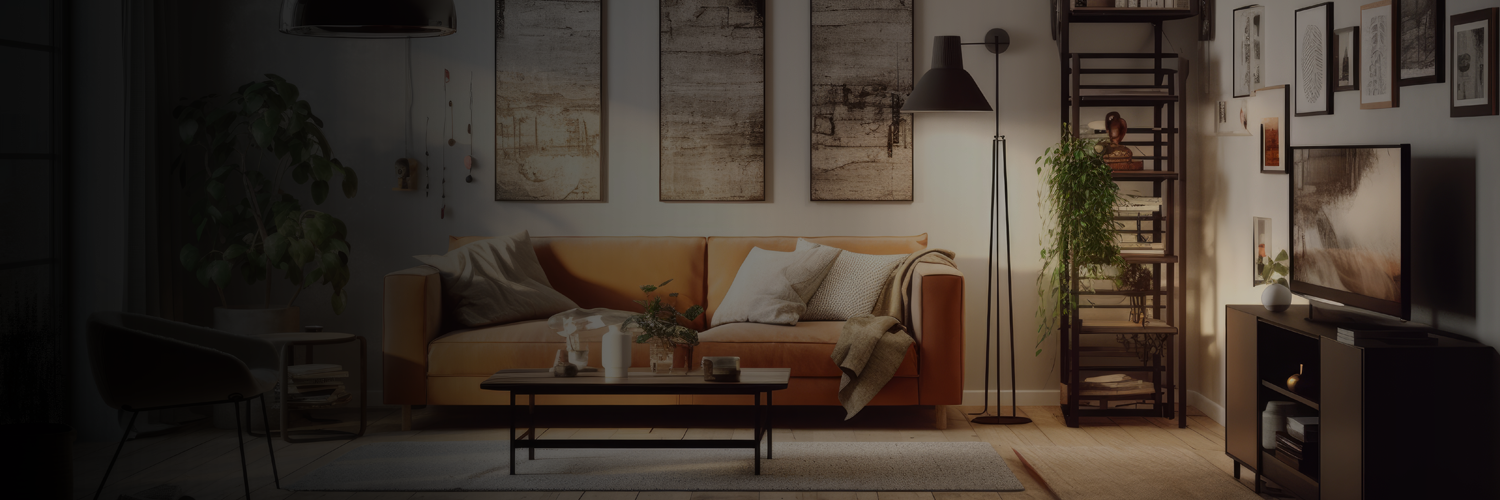
Walking into an IKEA store is not like entering a traditional furniture shop. Instead of simple rows of products, customers move through carefully designed showrooms that look like real apartments and homes.
These displays help customers imagine how products might look in their own spaces. This psychological approach, showing lifestyle, not just furniture, encourages longer visits and often higher sales.
And of course, there is the famous IKEA restaurant. Swedish meatballs, cinnamon buns, and affordable meals make shopping feel less stressful and more enjoyable. The store becomes almost a social space.
Global Expansion and Local Adaptation
IKEA now operates in more than 50 countries. However, like successful global brands, it does not completely ignore local culture.
For example:
- In Asia, IKEA designs smaller furniture for compact apartments.
- In some Middle Eastern countries, store layouts are adapted to social customs.
- Product names remain Swedish worldwide, but marketing often changes to fit local traditions.
Balancing a strong global identity with local sensitivity is one reason IKEA has continued to grow successfully.
Sustainability and Responsibility
In recent years, IKEA has focused strongly on sustainability. The company aims to:
- Use more renewable and recycled materials
- Invest in wind and solar energy
- Reduce waste and carbon emissions
- Offer buy-back programmes for used furniture
However, critics argue that selling large volumes of low-cost furniture can encourage overconsumption. The challenge for IKEA is to combine affordability with environmental responsibility.
This debate reflects a wider global question: Can large international companies remain profitable while reducing environmental impact?
Business Strategy and Challenges
IKEA’s business model depends on several key strengths:
- Efficient global supply chains
- Strong brand identity
- Affordable design
- Large-scale production
But it also faces important challenges:
- Competition from online retailers
- Rising shipping costs
- Environmental expectations
- Changing consumer habits
To adapt, IKEA has increased online shopping options and opened smaller city-centre stores in some countries.
Why IKEA Matters
IKEA represents a modern business philosophy: smart design, cost control, global reach, and emotional branding. It shows how a simple idea, affordable, well-designed furniture can transform an entire industry.
More importantly, it demonstrates how companies influence everyday life. IKEA furniture is not just about chairs and tables, it shapes how people organise space, express style, and create comfort at home.
In that sense, IKEA is part of millions of personal stories around the world.
Definitions
Innovation – a new idea or method that improves something
Expansion – the process of growing or increasing in size
Sustainability – using resources in a way that does not damage the future
Overconsumption – buying or using more than necessary
Adaptation – changing something to fit new conditions
Conversation Starters
Have you ever bought furniture from IKEA? What was your experience?
Why do you think flat-pack furniture became so popular?
Is it better to buy cheap furniture more often or expensive furniture less often?
How important is store design in influencing customers?
Should large companies be responsible for climate change?
Do you prefer assembling furniture yourself or buying it ready-made?
What makes a company truly “global”?






-
-
2 months
Tagged Business, Technology