
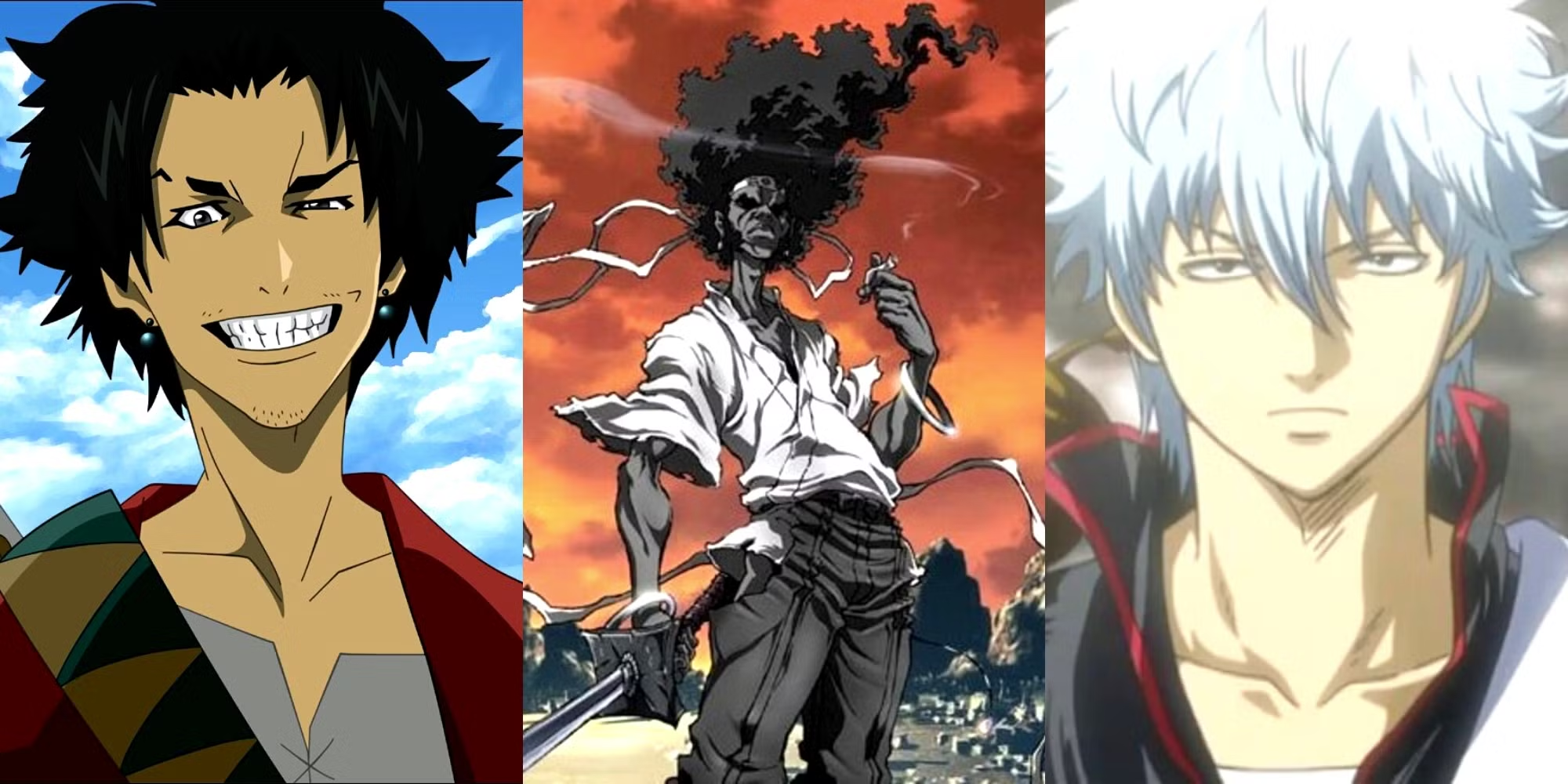
Japan’s Soft Power: From Samurai to Anime
Level: C1
When we talk about global influence, many people first think about military strength, economic power, or political alliances. But there’s another kind of influence that doesn’t rely on force, it works through appeal, attraction, and shared imagination. This is called soft power: the ability to shape how others think and feel about you through culture, ideas, and values rather than coercion or money. And one country that masters this form of influence better than almost any other is Japan.
Soft Power and Why Japan Excels at It
The concept of soft power was introduced by political scientist Joseph Nye as the opposite of hard power, influence gained by force. Soft power works when other countries want to learn from you, enjoy your culture, or admire your values.
In 2023, a major global ranking placed Japan’s cultural influence as the highest in Asia and fifth worldwide, ahead of many larger, richer, or more politically powerful countries. This shows how deeply Japanese culture has penetrated global imagination and daily life far beyond Japan’s borders.
Japan’s soft power is unique because it blends modern pop culture with traditional aesthetics. From the quiet beauty of a tea ceremony to the explosive energy of a superhero anime, Japanese culture creates an emotional and intellectual bridge to people around the globe.
Anime and Manga: The Heartbeat of Global Influence
For many people outside Japan, the first thing that comes to mind is anime, Japanese animation, and its close partner, manga, the Japanese style of comics. These two forms of storytelling have become cultural ambassadors of Japan, influencing not just pop culture but also international perceptions of Japanese values, creativity, and identity.
Anime and manga are not just entertainment. They are narratives that explore universal themes, courage, friendship, identity, conflict, and emotional growth. Popular titles like Pokémon, Naruto, One Piece, and movies like Your Name have been watched and cherished by millions around the world, often with fans learning Japanese words or visiting sites featured in the stories.
Economically, anime has become huge: the industry generated a record ¥3.3 trillion (about $21 billion) in 2023, and overseas sales now account for more than half of that total, showing how deeply the world’s appetite for anime has grown.
Even anime conventions, like Anime Expo in Los Angeles or Japan Expo in Paris, draw massive crowds, celebrating Japanese creativity, music, cosplay, art, and fan culture. These conventions are more than fun gatherings; they are cultural exchanges where fans meet, create, and share Japanese-inspired art and ideas.
Beyond Animation: Games, Technology, and Design
Japan’s soft power isn’t limited to animated stories. The country’s influence in video games and technology has shaped global entertainment and youth culture. From Nintendo classics like Mario to long-running role-playing games, Japan has made interactive storytelling a worldwide phenomenon.
Tech brands like Sony, Nintendo, and Toyota also carry cultural influence. Their products are often associated with quality, innovation, and futuristic design, reinforcing a positive image of Japan in the global psyche. Even districts like Akihabara in Tokyo, known as the “Electric Town” have become tourist destinations for tech enthusiasts, drawing visitors who want to experience Japanese innovation firsthand.
Minimalist design, clean aesthetics, and attention to detail in daily objects, from electronics to fashion, reflect deeper Japanese values and have influenced design trends in architecture, interior design, and consumer products around the world.
Tradition and Modernity: A Soft Power Blend
What makes Japan’s soft power especially fascinating is how it combines traditional culture with modern creativity. Tea ceremonies, cherry blossoms, samurai history, martial arts, and Zen philosophy offer glimpses into Japan’s past that feel timeless and profound, while anime, games, and J-pop represent the energetic present.
This mix attracts two kinds of admiration:
- Nostalgic curiosity (for the ancient, spiritual, and poetic)
- Modern excitement (for the creative, innovative, and expressive)
Films from Studio Ghibli, for example, often weave traditional themes, respect for nature, introspective journeys, and emotional complexity, into modern animation that resonates deeply with global audiences.
This rich cultural tapestry makes Japan appealing not just as a tourist destination, but as a symbol of balanced modernity, a place where tradition and innovation coexist in creative harmony.
The Real Impact of Cultural Influence
Soft power works partly through emotion and partly through participation. People who love anime, games, or Japanese fashion often go further: they learn the language, study Japanese history, buy Japanese products, and even choose Japan as a travel destination. This kind of voluntary cultural engagement is powerful because it is driven by interest and choice, not politics.
Moreover, the Japanese government actively supports this influence under initiatives like “Cool Japan,” which encourages the promotion of cultural exports like anime, manga, and pop culture as economic and diplomatic assets. Cultural technology, creative content, and tourism now generate foreign revenue that rivals traditional Japanese industries.
Culture That Travels Without a Passport
One of the most powerful aspects of Japan’s soft power is how people carry it inside their minds and homes. Someone in Buenos Aires might grow up watching anime, afterschool; teenagers in Berlin might draw manga in their notebooks; teens in Manila might gather for cosplay with friends. These experiences create positive associations with Japan that go beyond music charts or box office numbers.
Soft power does not announce itself loudly, but it shapes perceptions, inspires curiosity, and creates internal stories that link people emotionally to places they may never visit but feel they know. That is the true strength of Japan’s cultural influence.
Definitions
Soft power – a kind of influence achieved through appeal, attraction, and shared culture rather than force.
Ambassador – someone (or something) that represents and spreads a country’s image or culture.
Narrative – the story or message that something tells.
Aesthetics – principles of beauty and design that affect how things look and feel.
Cultural diplomacy – using cultural exchange and creative work to build understanding and relationships between nations.
Conversation Starters
How can cultural products like anime build emotional connections between people from very different countries?
Why does combining tradition and modernity make a culture more appealing globally?
Can cultural influence be more powerful than economic or military power? Why or why not?
How might government support affect the creative industries that shape soft power?
Have you ever chosen to learn something (like language or history) because of a cultural product you enjoyed?
Do global fans of Japanese culture always understand real life in Japan? What are the limits of cultural influence?
How can soft power influence politics, tourism, and international relationships?




-
-
7 months
Tagged society, South America