
Understanding Hikikomori and Its Global Impact
In today’s fast-paced, connected world, it’s not unusual to feel overwhelmed by the constant demands of modern life. Many people crave solitude to recharge or deal with stress. But for some, this withdrawal becomes prolonged, lasting for months or even years, leading to a condition known as hikikomori. Originating in Japan, this phenomenon is gaining attention worldwide as an increasing number of individuals retreat from society into extreme isolation.
What Is Hikikomori?
The term hikikomori comes from the Japanese words hiki (to pull) and komori (to stay inside). It describes people who withdraw from social life and isolate themselves for at least six months. Hikikomori individuals often cut off meaningful interactions with the outside world, avoiding school, work, and even family.
While the condition was once considered unique to Japan, cases have been identified globally, from South Korea and Hong Kong to Spain, the United States, and beyond. Experts estimate that around 1.2% of Japan’s population—or nearly one million people—live as hikikomori. A 2014 study in Hong Kong found similar numbers, with 1.9% of the population affected.
The condition is no longer viewed as a purely cultural phenomenon but rather a global issue stemming from a complex mix of societal pressures, mental health struggles, and the isolating influence of modern technology.
The Roots of Withdrawal
Hikikomori often begins with a sense of failure or shame, triggered by traumatic events such as failing exams, losing a job, or struggling to meet society’s expectations. Japan’s cultural emphasis on conformity and collective success intensifies this pressure. As the saying goes, “A protruding nail will be hammered down.”
Many hikikomori retreat to escape this relentless pressure. In Japanese schools, for example, students are expected to conform to group norms, and those who express differing opinions risk being ostracized. Economic stagnation has further compounded the problem, as young people face a highly competitive job market and limited opportunities.
However, hikikomori is not confined to Japan. Researchers have documented similar cases in other countries, often triggered by similar factors such as work-related stress, academic failure, or family dysfunction.
A Life Behind Closed Doors
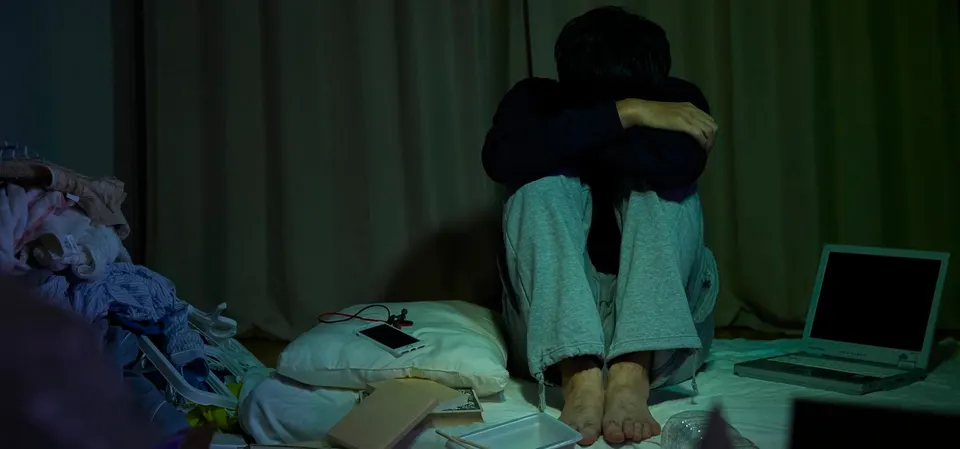
The life of a hikikomori is marked by isolation, both physical and psychological. These individuals may remain in their rooms for years, engaging minimally with family members who often provide for their basic needs. Some hikikomori venture outside occasionally but avoid meaningful social interactions, while others rely heavily on the internet for entertainment and as a “window to the world.”
Interestingly, technology plays a dual role in hikikomori’s lives. For some, it deepens their isolation, providing a virtual escape from the challenges of the real world. Video games, social media, and online communities offer a sense of control and anonymity, allowing them to engage with others on their own terms. However, this reliance on virtual connections often comes at the expense of face-to-face interactions, which are crucial for maintaining mental health.
Despite their withdrawal, many hikikomori are acutely aware of the outside world. They may follow current events, watch videos, or even communicate anonymously online. Yet, they remain detached, observing life from a distance without actively participating in it.
The Impact on Families
Hikikomori doesn’t only affect the individuals themselves—it places a significant burden on their families. In Japan, parents of hikikomori often dedicate years to caring for their isolated children, providing food, shelter, and emotional support. This can lead to feelings of frustration, helplessness, and social stigma, as families struggle to cope with the situation.
In many cases, parents feel unable to seek outside help due to the shame associated with having a hikikomori child. This lack of external intervention allows the cycle of isolation to continue, leaving both the individual and their family trapped.
Hikikomori Beyond Japan
The rise of hikikomori in other countries suggests that this is not just a Japanese issue but a reflection of broader societal challenges. In South Korea, a similar phenomenon known as oiettolie has been documented, with studies showing a link between social withdrawal and internet addiction. In Spain, researchers have found cases of hikikomori among adults, highlighting the condition’s universality.
While cultural factors influence the prevalence and expression of hikikomori, the underlying issues—such as societal pressure, mental health struggles, and technological dependence—are increasingly common worldwide.
The Role of Technology
Modern technology is often cited as a contributing factor to social withdrawal. While it offers many conveniences, it can also reduce the need for face-to-face interactions, making it easier for individuals to isolate themselves. Online platforms allow hikikomori to shop, socialize, and entertain themselves without leaving their rooms.
However, technology is not inherently harmful. Some experts believe it could play a role in rehabilitation, providing a bridge for hikikomori to reconnect with society. For instance, online therapy sessions or virtual communities could help them take small steps toward reintegration.
Finding a Way Forward
Addressing hikikomori requires a multi-faceted approach that considers the individual’s mental health, family dynamics, and societal pressures. In Japan, programs like the Yokayoka Room (“take it easy” room) offer safe spaces where hikikomori can interact with others at their own pace.
Treatment often involves gradual exposure to social situations, physical activity, and family-based therapies. Helping hikikomori rediscover their strengths and talents can also be crucial. For example, Japanese artist Atsushi Watanabe used art and social activism to overcome his years of isolation.
Raising awareness about hikikomori is another key step. By recognizing the signs of social withdrawal early and reducing the stigma associated with seeking help, families and communities can better support those affected.
A Global Challenge
The COVID-19 pandemic has brought new attention to the issue of social withdrawal. With many people forced to isolate during lockdowns, the line between temporary solitude and chronic isolation has blurred. Job losses, fear of infection, and disruptions to daily life have increased the risk of long-term withdrawal for vulnerable individuals.
As hikikomori cases continue to rise globally, experts emphasize the importance of fostering connections and promoting resilience. Society must strike a balance between respecting individual choices and encouraging participation in the community.
Moving Toward Understanding
Hikikomori is a complex phenomenon that reflects the challenges of modern life. While it may start as a way to escape stress or failure, prolonged isolation has serious consequences for individuals and their families. By addressing the root causes of hikikomori and creating supportive environments for recovery, we can help those affected reconnect with the world—and themselves.
As technology continues to shape our lives, we must remain mindful of its impact on human relationships. True connection requires more than likes and comments; it demands empathy, understanding, and the courage to reach out, even when it feels difficult. In tackling hikikomori, we not only help individuals find their way back to society but also build a more compassionate and inclusive world for everyone.






Comments