
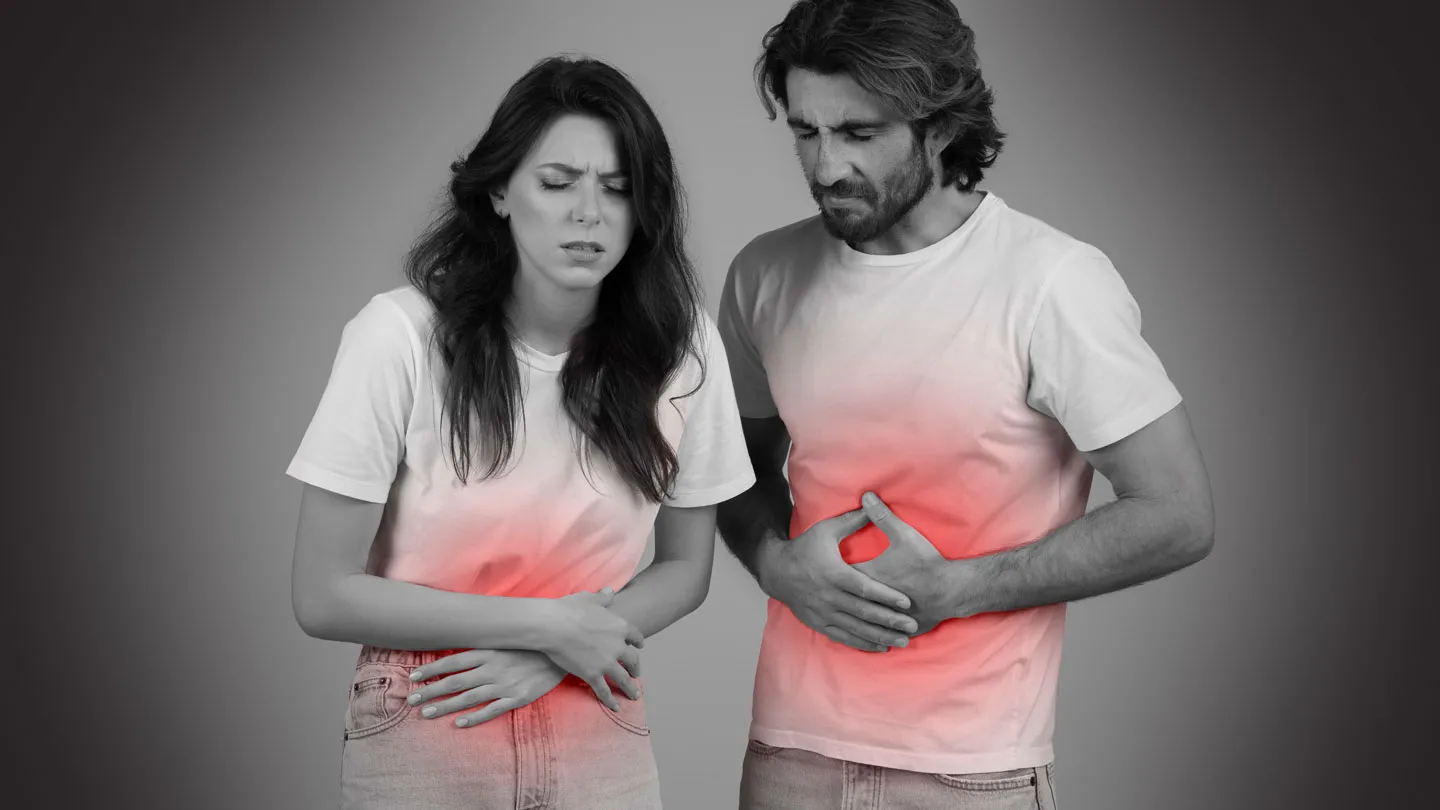
How Men and Women Manage Pain Differently
We all experience pain, but how we manage it can vary greatly. Recent studies show that men and women not only feel pain differently but also use different ways to deal with it. This difference might help explain why pain treatments work better for some and not as well for others.
Men and Their Pain Management
Men seem to rely more on their body’s natural opioids, which are substances the body produces to relieve pain. These opioids attach to specific receptors in the brain and make us feel less pain. For men, when these natural painkillers are blocked, it becomes much harder for them to cope with pain. This is one reason why medications like morphine or other opioid-based drugs tend to be more effective for men—they work in a similar way to the body’s own system.
However, the downside is that because men rely so much on these opioids, they might experience a stronger urge to take more of these medications when the pain relief fades, leading to a higher risk of addiction.
Women and Their Different Approach
For women, the story is a bit different. While men depend heavily on opioids, studies suggest that women use non-opioid pathways for pain relief. This might be why women often need higher doses of opioid painkillers to feel relief, which unfortunately increases their risk of becoming dependent on them.
Interestingly, when researchers blocked opioids in women, it didn’t stop them from finding other ways to manage pain. In fact, some studies found that women actually experienced more pain relief when opioids were blocked, showing that their bodies may turn to alternative pain management systems. Scientists believe women might rely more on the endocannabinoid system, a system that helps regulate pain and mood but is different from opioids.
What This Means for Treatment
Since men and women use different systems to manage pain, one-size-fits-all treatments might not be the best approach. For men, opioid-based pain relief might be effective but also comes with the risk of addiction. For women, because opioids may not work as well, doctors may need to look into other treatments that don’t carry the same risks.
The findings also highlight the importance of considering gender when prescribing pain medications. Tailoring treatments to each individual could lead to better results and fewer side effects.
A Look at Meditation
One method of pain relief that seems to work for both men and women is meditation. Studies show that meditation can help reduce pain, though the way it works is still different between the sexes. For men, meditation’s pain-relieving effects depend on their opioid system. When this system is blocked, the benefits of meditation drop significantly. For women, though, meditation still helps reduce pain even when opioids are blocked, further proof that women may be using non-opioid systems to manage their discomfort.
Why Does This Matter?
Understanding the differences in how men and women handle pain is important. Not only can it help doctors better treat their patients, but it also sheds light on why certain pain treatments don’t always work the same for everyone. Pain is a complex and personal experience, and our biology plays a big role in how we respond to it.
This knowledge could lead to better, more personalized pain management strategies. Instead of just increasing doses or switching medications, doctors might explore alternative treatments, like mindfulness or new drugs that target non-opioid pathways—especially for women who don’t respond well to traditional painkillers.
In the end, the way we manage pain isn’t just about toughing it out. It’s about understanding our bodies and using the best tools available to feel better.



-
-
2 years
Tagged health, lifestyle, vaping, youth