Sitting Too Much? You Could Be at Risk for Dead Butt Syndrome
Sitting Too Much? You Could Be at Risk for Dead Butt Syndrome
-
Level 1
-
Level 2
-
Level 3
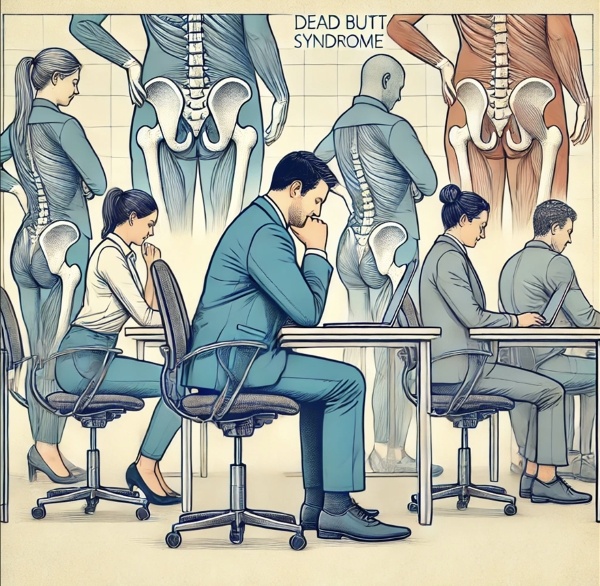
Many people today are getting something called Dead Butt Syndrome. This happens when you sit too much every day. It affects your butt muscles, also known as your glutes. These muscles get weak when you sit for too long, and they stop working well. If this happens, you might feel pain in your back or knees, and it can be hard to stand up or walk.
Doctors say that this problem is getting worse because more people are sitting for hours at their jobs or watching TV. But, the good news is that you can fix it. You can make your glutes stronger by taking breaks from sitting, doing stretches, and exercising. Even simple movements like walking around or doing squats can help.
Bold words:
- Syndrome: A group of signs and problems that happen together because of a disease.
- Glutes: Muscles in your butt.
- Weak: Not strong.
- Pain: When something hurts in your body.
Dead Butt Syndrome is a real health issue affecting many people today. This condition occurs when your gluteus muscles, which are in your butt, weaken from sitting too long. The main cause is living a sedentary lifestyle, where you sit for hours each day. If your glutes weaken, you may experience lower back pain, hip discomfort, or even problems with your knees. Some people also find it difficult to stand up after sitting.
The good news is that Dead Butt Syndrome can be prevented and reversed. Medical experts recommend taking breaks from sitting, standing up to stretch, and doing exercises that target your glutes. Activities like squats, lunges, and glute bridges are great ways to keep your muscles active and prevent future pain.
Bold words:
- Condition: A health problem or issue.
- Sedentary: Sitting for long periods without much movement.
- Discomfort: Mild pain or unease in a part of the body.
- Reversed: Changed back to normal or made better again.
Dead Butt Syndrome, also known as gluteus medius tendinosis, is a growing issue linked to prolonged sitting. The condition involves the weakening of the gluteal muscles, particularly the gluteus medius, which is crucial for maintaining balance and stability. Individuals with sedentary lifestyles or those who work long hours at desks are at higher risk. Symptoms include discomfort in the lower back, hips, and even the knees, often leading to further health complications if left untreated.
Medical professionals stress that prevention and recovery are possible through lifestyle adjustments. Regular movement, stretching routines, and exercises like squats, lunges, and glute bridges are highly recommended. These exercises help reactivate the gluteal muscles and improve circulation, reducing the risk of more severe conditions, such as nerve damage or disc herniation. With proactive care, Dead Butt Syndrome can be effectively managed.
Bold words:
- Tendinosis: A chronic injury to a tendon, which is the tissue connecting muscle to bone.
- Stability: The ability to stay balanced and not fall over.
- Circulation: The flow of blood through the body.
- Herniation: A medical condition where a part of the body bulges out abnormally.